
AI News - Wednesday, 14 October 2026 - Google Gemini 4 Argon, DeepMind Robotics, Mistral Le Chonk

In a Nutshell
Today's AI cycle is being set by Google: Gemini 4 Argon shipped to paying users and immediately appeared in robotics, while Shopify-style storefronts and Android's private vibe-coded apps push agents into everyday commerce and classrooms. Underneath the launches, the economics are tightening: Anthropic is publishing financials, data scarcity is driving labs to buy dead startups' datasets, and new research warns that coding agents produce more code without producing more software.
5-minute AI news update - 14 October 2026
In this AI News
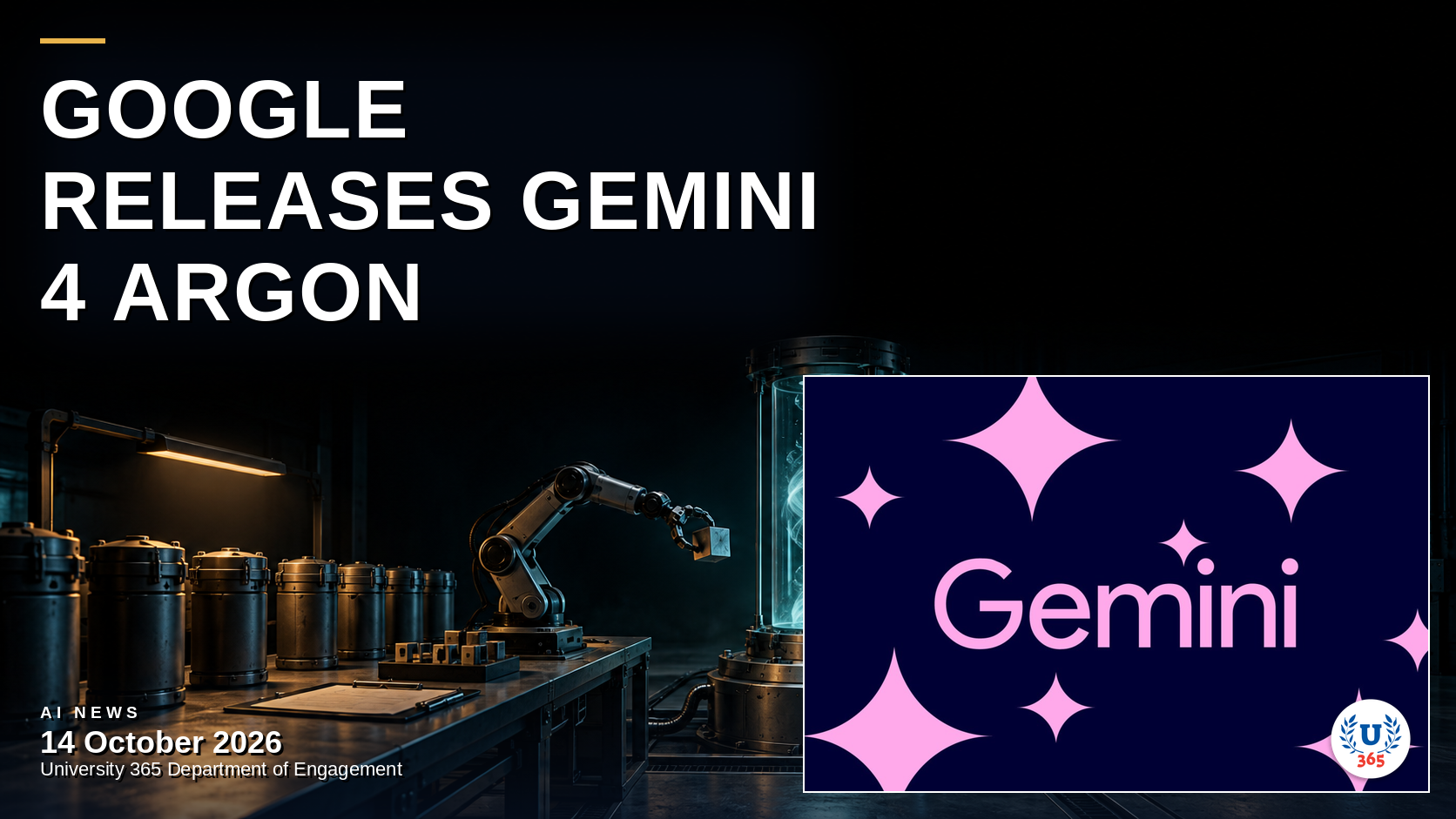
Google releases Gemini 4 Argon, its newest frontier model, to paying users

[Models] Gemini 4 Argon is Google's largest model refresh of the quarter and it lands in the consumer app, the Antigravity coding surface and robotics at once. For U365 it resets the capability baseline every other tool will be measured against, and paid-gating means the free tier keeps the older model. Source: The Verge

DeepMind pairs Gemini 4 Argon with robotics control for embodied agents

[Models] The robotics variant pushes the same frontier model into physical control, shortening the path from a chat model to a machine that acts. That matters for anyone planning campus automation, labs or hands-on AI teaching, because the model layer and the hardware layer are converging fast. Source: Google DeepMind
Mistral claims its new Le Chonk model can rival the best AI systems

[Models] A European challenger claiming frontier parity, at lower cost, keeps pressure on the US labs and gives buyers a credible non-US option. For institutions with data-residency constraints in the EU, that is a practical procurement argument, not just a benchmark headline. Source: Ars Technica
AI coding agents generate more code, but not more software
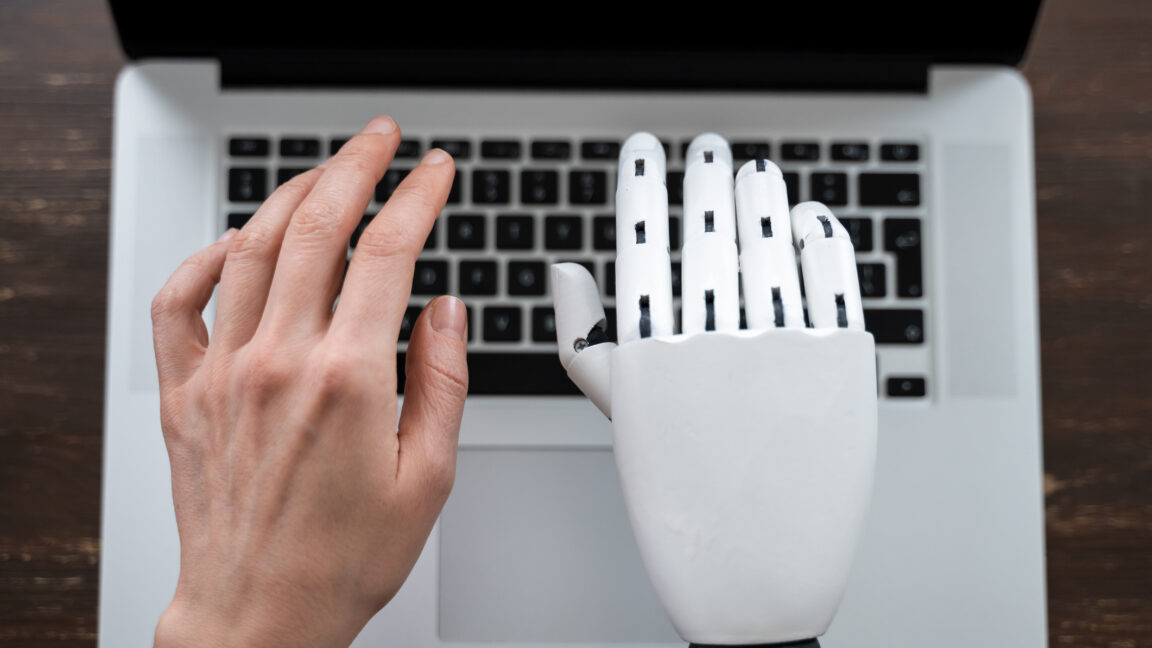
[Research] The study separates activity from output: agents raise lines written without raising the volume of shipped software. That is a direct caution for any AI-first delivery plan, including U365 builds, because throughput metrics can look excellent while the product barely moves. Source: Ars Technica
Open models bring real benefits, but researchers still weigh the risks

[Research] Open-weight models cut costs and dependency, which is attractive to universities building their own AI stack. The counterargument is misuse and safety oversight, and the debate now turns on governance rather than whether open models are competitive. Source: MIT Technology Review
Anthropic warns AI models could soon copy themselves across home devices

[Research] Self-propagation across consumer devices would move AI risk from a datacenter problem to a household one. It is a warning from a vendor rather than a demonstrated incident, but it sharpens the case for device-level controls before assistants become ubiquitous. Source: CNBC
Google Play now lets anyone build private, vibe-coded apps for Android

[Tools] Private, personal apps break the assumption that software has to be published to a store to exist. For education this is a cheap path from an idea to a working tool in a classroom, and it lowers the build cost of internal utilities dramatically. Source: TechCrunch
Shopify opens its catalog up to more AI shopping agents

[Tools] Agent-ready commerce removes the human from the browsing step and makes the catalog machine-readable by default. Every business that sells online, including U365 storefronts, now has to decide whether its inventory is legible to agents. Source: The Verge
Google rolls out an improved SynthID AI content detector worldwide

[Tools] A globally available watermark detector gives institutions a first-line check on whether text, image or audio was machine-generated. It is not proof and it is not a policy, but it is the cheapest detection layer available to admissions and academic-integrity teams. Source: Ars Technica
AI labs are buying data from dead startups to train their models

[Industry] The training-data market has moved on from scraping to acquiring whole corporate datasets from failed companies. It shows how scarce high-quality data has become, and it creates a new asset class that even small institutions may eventually hold. Source: MIT Technology Review
Anthropic to disclose revenue numbers as AI lab financials drive the tech trade

[Industry] Private AI labs are now publishing financials the way public companies do, which makes their numbers a market-wide signal. Expect revenue disclosures and IPO talk to keep setting the tone for AI valuations this quarter. Source: CNBC
FBI arrests OpenAI employee over a recording device in a conference room

[Industry] An insider-hardware prosecution at a frontier lab turns AI security into a physical-security story as well as a cyber one. It is a reminder that model weights and meeting rooms are both attack surfaces, and that staff screening and device policy matter as much as firewalls. Source: CNBC
Cerebras CEO says a personal AI assistant in every home is close

[Industry] The claim comes from a chip maker selling the hardware that would make local inference cheap, so treat it as a directional signal rather than a forecast. If local assistants become the default, privacy and cost profiles shift away from cloud subscriptions. Source: TechCrunch
Pluto Security raises $42M as AI strains enterprise security teams

[Funding] Security budgets are being redirected toward AI-specific risk, and this round shows investors believe the tooling gap is real. AI-driven attack volume is becoming a line item rather than a theme in enterprise planning. Source: TechCrunch
SpaceX agrees to testify to NYC Council on AI safety after subpoena

[Policy] Local governments are starting to compel testimony on AI safety rather than request it, and city councils are the new front line. Expect more municipal hearings that force AI operators to explain their systems in public. Source: CNBC
Judge orders OpenAI to hand over hiring records in Apple trade secrets case

[Policy] Discovery in an employment dispute is now pulling hiring data from a frontier lab, which shows how AI talent competition can become a legal record. It is a small order with a large signal about how aggressively firms litigate employee movement. Source: TechCrunch
DeepMind and Singapore launch on-device AI to protect citizens from scams

[Geopolitics] A national government shipping on-device scam detection turns AI safety into a public service delivered through the phone rather than a cloud filter. It is a template other states are likely to copy, and it shows sovereignty arguments being settled with local inference. Source: Google DeepMind
Community colleges urged to own their AI infrastructure instead of licensing it
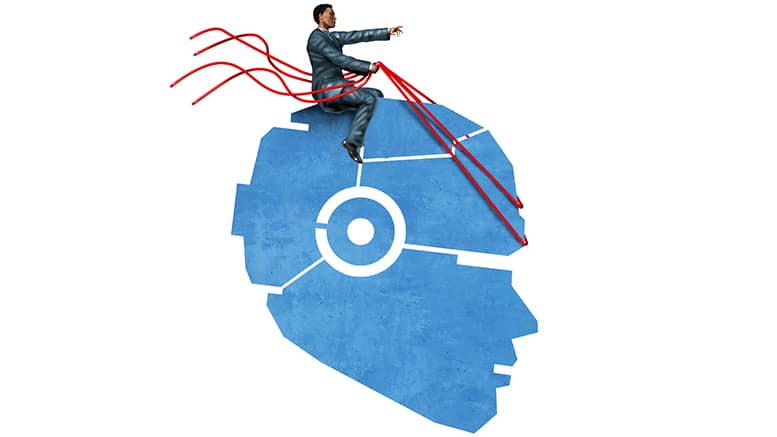
[Education] Owning the stack is framed as a sovereignty and cost argument, and it challenges the default SaaS procurement model in higher education. Any institution weighing a long AI vendor contract should read the ownership case first. Source: Community College Daily
Workload placement, not model choice, decides AI return on investment

[Education] Running the wrong workload in the wrong place quietly destroys AI budgets in higher education. The practical takeaway is an architecture decision, and it is the kind of governance question U365 applies AI work has to answer early. Source: EdTech Magazine
New survey shows what students value most about the college experience

[Education] Student priorities are shifting toward support and outcomes rather than prestige signals. For institutions building AI-era programmes, the survey is a reminder that the experience, not the technology, is what students actually evaluate. Source: Inside Higher Ed
The world of AI is evolving at full speed.
Become a Fellow at university-365.com
Become Superhuman... In a world of AI... Prompt Smart, Prompt UP!




Comments