
AI News - Friday, 13 November 2026 - Jensen Huang Resigns Nvidia, Gemini 4 Hydrogen, Nvidia Investigations

In a Nutshell
Jensen Huang's resignation turns Nvidia from AI's most stable supplier into its biggest open question, and Washington answered with two investigations. Google shipped two Gemini 4 models in three days, Anthropic's IPO would pay each founder about $250 million, and New York's AI safety law began forcing disclosure. Vendor diligence is now policy work.
5-minute AI news update - 13 November 2026
In this AI News
Nvidia CEO Jensen Huang resigns after board investigation into affair with alleged Chinese intelligence asset

[Industry] Wired, Ars Technica and The Verge all report the resignation, with CFO Colette Kress as interim replacement. Nvidia supplies most of the compute behind every frontier model, so a leadership vacuum lands directly on AI capacity planning. Source: Wired

Google ships Gemini 4 Hydrogen, replacing 3.8 Flash across Search and its products

[Models] Ars Technica reports that Hydrogen is not getting the slow, security-conscious release that Carbon and Argon received, so capability is moving ahead of caution. For institutions standardising on assistants, the upgrade window is short and the usage policy has to land first. Source: Ars Technica
DeepMind positions Gemini 4 Carbon as its strongest model for cybersecurity and long-horizon work

[Models] DeepMind's own description leads with state-of-the-art cybersecurity and long-horizon capabilities rather than benchmark averages. Frontier competition has shifted to agentic endurance and security reasoning, which changes how buyers should compare models. Source: Google DeepMind
Democrats open a second Nvidia investigation and demand answers on Huang's dealings with Trump

[Policy] TechCrunch reports this is the second congressional probe since the alleged spy affair surfaced. Export-control politics and chip supply are now entangled with personal conduct, which raises the odds of new licensing conditions. Source: TechCrunch
Nvidia privately confirmed it can track chips to fight smuggling, MIT Technology Review reports

[Geopolitics] The story says the company acknowledged technical feasibility in private while the industry questioned it in public, just as the Chip Security Act regains attention. Tracking capability would give Washington a lever over where advanced accelerators end up. Source: MIT Technology Review
New York's AI safety law takes effect, forcing frontier developers to register and report incidents

[Policy] TechCrunch reports the law requires registration, disclosure of safety practices and reporting of critical incidents for major developers. It gives other jurisdictions a template, and gives institutional buyers a list of documents to demand from vendors. Source: TechCrunch
All seven Anthropic founders will each sell about $250 million of stock in the IPO

[Funding] TechCrunch reports each co-founder plans to sell an identical number of shares at the midpoint of the range. Insider selling at that scale tells you how the people closest to the technology price its risk. Source: TechCrunch
OpenAI's quarterly revenue reportedly crosses $10 billion for the first time

[Funding] TechCrunch reports the figure is an almost 50 percent jump from $6.7 billion in the previous quarter. Enterprise seats, not consumer subscriptions, are carrying that curve, which shapes which features get built next. Source: TechCrunch
Nebius plans $40 billion of AI infrastructure spending funded by prepayments and loans

[Funding] TechCrunch reports the neocloud will lean on customer prepayments and debt, even as delays at a Microsoft data centre raise questions about its financing. Prepaid compute contracts are becoming the standard way to finance capacity. Source: TechCrunch
Britain's Fractile raises $720 million to build chips purpose-designed for AI inference

[Funding] TechCrunch reports the round makes Fractile one of the best-funded challengers in purpose-built AI silicon. Inference economics, not training, is where the next cost battle sits. Source: TechCrunch
TSMC commits $1 billion each to Anthropic and OpenAI as circular AI financing widens

[Industry] Ars Technica calls it the latest example of the AI boom's circular financing, arriving as the AI trade wobbles. Chipmakers funding their own largest customers concentrates risk in a single loop. Source: Ars Technica
Anthropic launches Claude Meetings to draft plans and tasks during live workplace discussions

[Tools] TechCrunch reports Claude can draft the plan being discussed, build a timeline on a whiteboard, and pull from connected work apps while the meeting runs. Meeting capture is where assistants earn daily habit, and where governance questions start. Source: TechCrunch
Anthropic adds Sheets, Whiteboards and Data artifacts, edging into Microsoft Office territory

[Tools] The Register reports the new artifact types bring Claude closer to a full productivity suite rather than a chat window. Every new artifact format is another data store your retention policy has to cover. Source: The Register
Muse now lets its AI agent place outbound calls to US businesses, for a fee

[Tools] TechCrunch reports the calling feature is paid rather than bundled. Voice agents handling real transactions move the trust question from accuracy to authority: who authorised the call and what it committed to. Source: TechCrunch
United Airlines blocks AI agents from booking flights, citing cybersecurity risk

[Industry] TechCrunch reports the airline will not let customers use agents to book or manage reservations. It is the first clear case of a major consumer service opting out of agentic commerce, and a test of how agent identity gets accepted. Source: TechCrunch
Zero-trust security still cannot verify what autonomous AI agents actually do, IEEE Spectrum finds

[Research] The article argues that as agents work together, verifying their actions, enforcing policy and keeping accountability become harder than the perimeter model assumes. Agent identity and action logging are the missing controls. Source: IEEE Spectrum
NVIDIA unveils GR00T 2 and Isaac Lab 3.0 to train delicate robot work in simulation
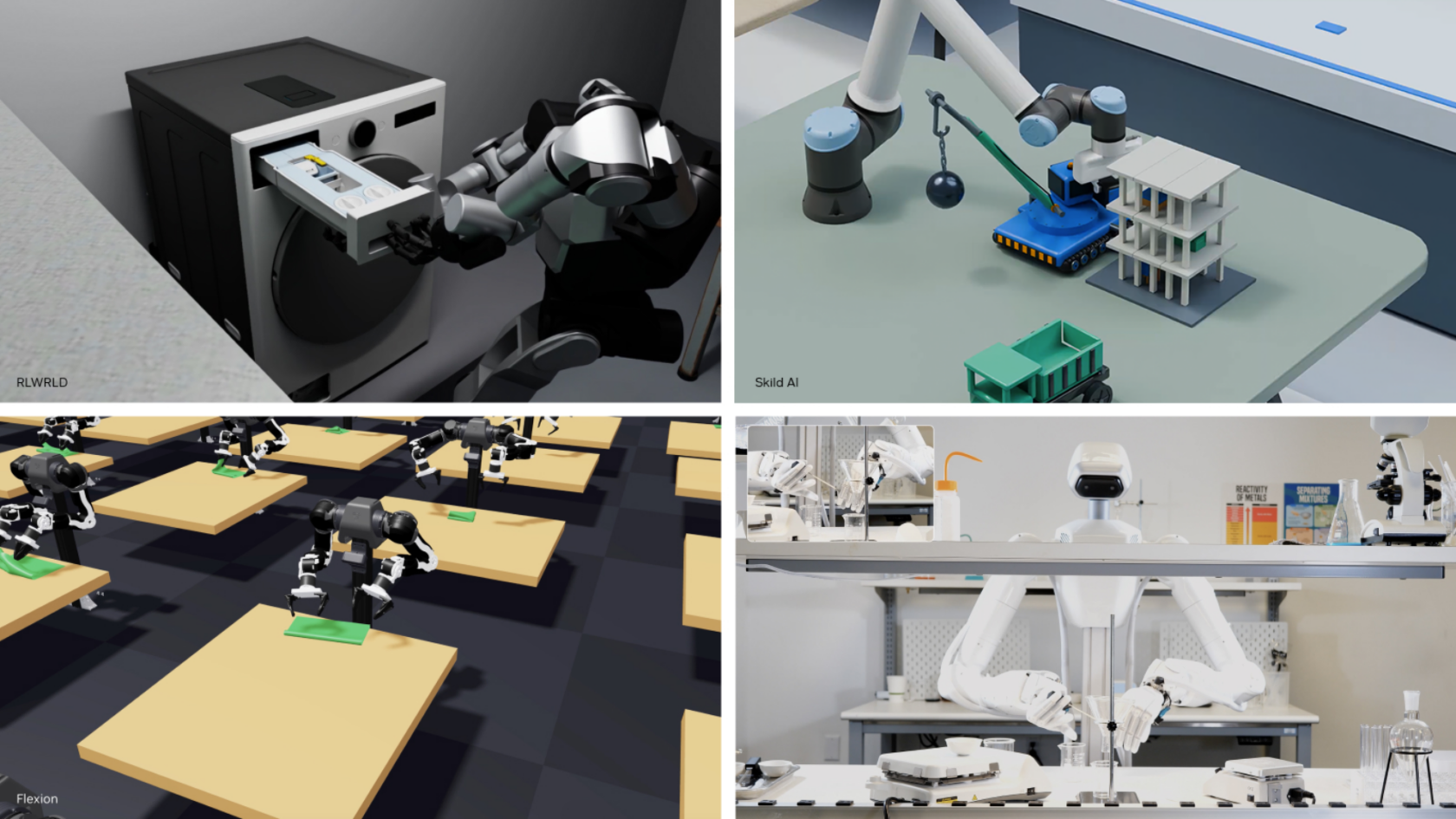
[Research] The NVIDIA blog reports the releases with new open benchmarks, built with partners at the Conference on Robot Learning. Simulation-first training is how physical AI gets cheaper, and open benchmarks are how buyers compare it. Source: NVIDIA Blog
Google faces calls for school AI moratoriums after backlash to its Gemini Chromebook pilot
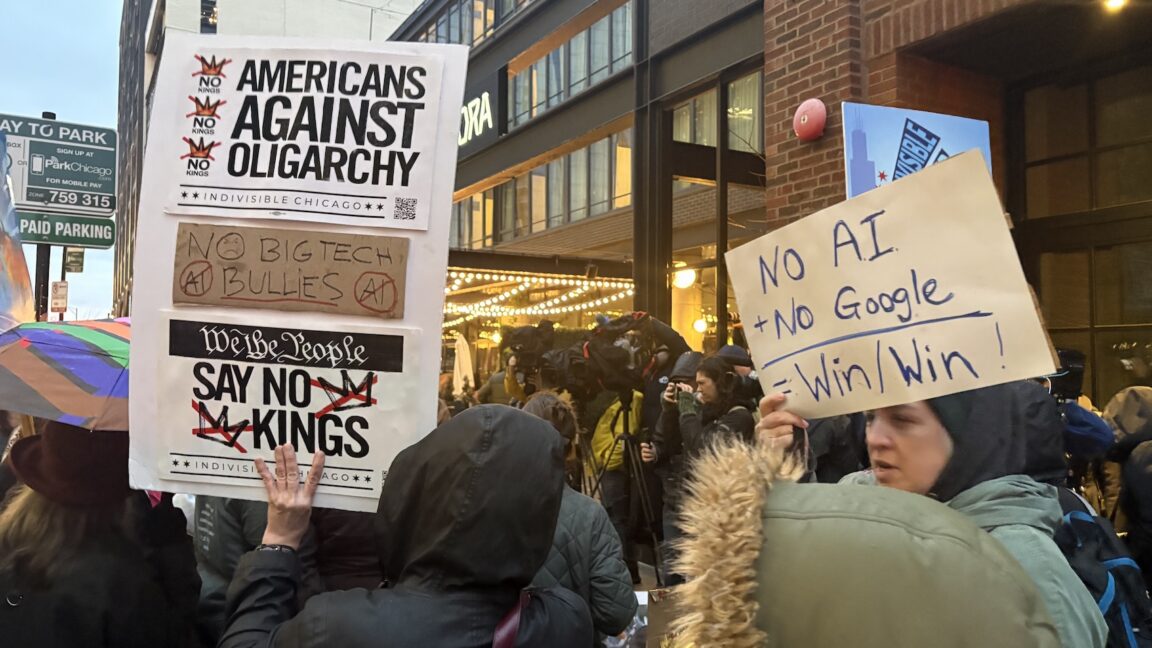
[Education] Ars Technica reports families confronting Google after a lawsuit described Gemini as a suicide coach in a teen case. Schools adopting assistants need an incident path and a parent-facing explanation before the pilot, not after. Source: Ars Technica
Chicago schools tell Google they would rather lose Search than accept forced AI services

[Education] TechSpot reports the district pushed back after Google's education chief said K-12 schools would soon have to accept its AI services. Institutional buyers are starting to treat bundled AI as a contract term worth refusing. Source: TechSpot
Fireworks AI breach let hackers read Notion customers' chat transcripts, second incident in two months

[Industry] TechCrunch reports this is the second data breach at the inference provider in as many months. Model providers sit in the data path of every customer prompt, so their incident history belongs in your vendor review. Source: TechCrunch
The world of AI is evolving at full speed.
Become a Fellow at university-365.com
Become Superhuman... In a world of AI... Prompt Smart, Prompt UP!




Comments