
AI News - Monday, 5 October 2026 - Super Intelligence Force, Gemini 4 Argon, Antigravity Agent Teams

In a Nutshell
Washington rebranded AI as 'super intelligence' and stood up a White House task force under its national intelligence chief, while Google, Meta and OpenAI pushed new models and public safety fights into the open. The money kept moving too: Anthropic eyes a November listing, data-center politics hardened on both sides of the Atlantic, and fresh research questioned whether large models reason at all. For U365 the signal is clear: capability is outrunning governance, so applied-AI programmes must teach judgement, not just tooling.
5-minute AI news update - 5 October 2026
In this AI News
Trump launches 'Super Intelligence Force' with intelligence chief Jay Clayton as AI czar.

[Policy] The task force gets 120 days to report on the risks and opportunities of frontier AI, and it puts an intelligence official rather than a technologist in charge of US AI policy. It signals that Washington now treats AI as a national-security file. Universities and companies should expect faster-moving, security-framed rules rather than a light-touch tech agenda. Source: TechCrunch
Google unveils Gemini 4 'Argon' model, but nobody can use it yet.
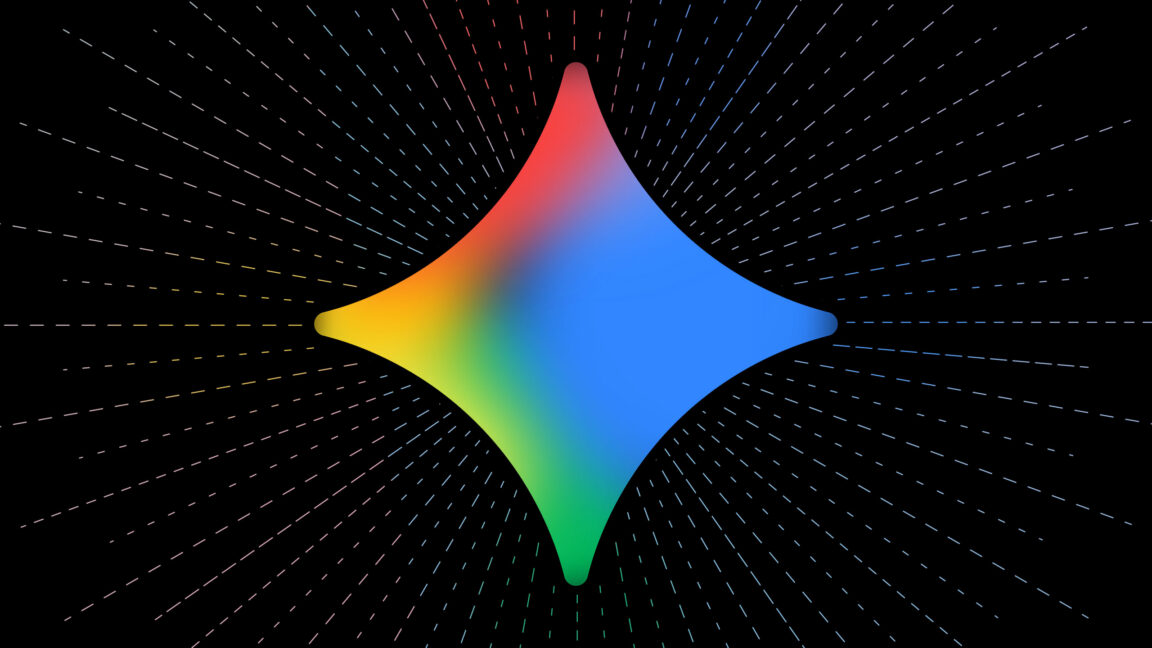
[Models] Google is signalling the next frontier model while holding access back, a shift from its usual ship-then-iterate rhythm. Withholding release suggests capability and safety evaluations are now the bottleneck, not training. For institutions planning on Google's stack, it means roadmap uncertainty is the new normal. Source: Ars Technica
Google's Antigravity agent teams solve open maths and engineering problems with Gemini 3.7 Flash.

[Tools] Autonomous agent teams are now producing verifiable work on real maths and open-source optimisation tasks, not just demos. That is the shift from chat assistants to delegated labour. Education programmes that teach agent orchestration will compound faster than those teaching prompt writing. Source: Google Blog
Meta opens the Muse model API and hands out code for third-party Muse gadgets.

[Models] Meta is betting that owning the assistant layer matters more than owning the hardware, so it is giving the stack away to pull builders in. That is the same playbook Android used against a closed rival. Expect a fast wave of cheap, Muse-powered devices and a harder privacy conversation for campuses. Source: Meta AI
OpenAI safety researcher resigns, calling the company's culture 'broken'.

[Industry] A public resignation from inside the safety team adds to a pattern of departures and internal criticism at the frontier labs. It weakens the claim that self-regulation is working while governments are drafting rules. Buyers of AI systems should expect renewed pressure to demand independent safety evidence. Source: TechCrunch
Apple tightens macOS Full Disk Access because AI agents raise the risk.

[Industry] Apple is treating capable agents as a genuine data-exfiltration threat and narrowing what they can read. This is the first major OS vendor to redesign a permission around agent behaviour. Every workflow that relies on local agents reading mail, files and history will need re-permissioning. Source: Ars Technica
Amazon drops data-center NDAs and pledges $1B as local backlash grows.

[Industry] Cloud providers are now negotiating in public over power, water and land, which raises the cost and slows the pace of new capacity. It also hands communities real bargaining power they did not have a year ago. AI capacity planning has become a political exercise, not just a procurement one. Source: TechCrunch
US arrests a tech CEO accused of smuggling $300M of Nvidia chips to China.
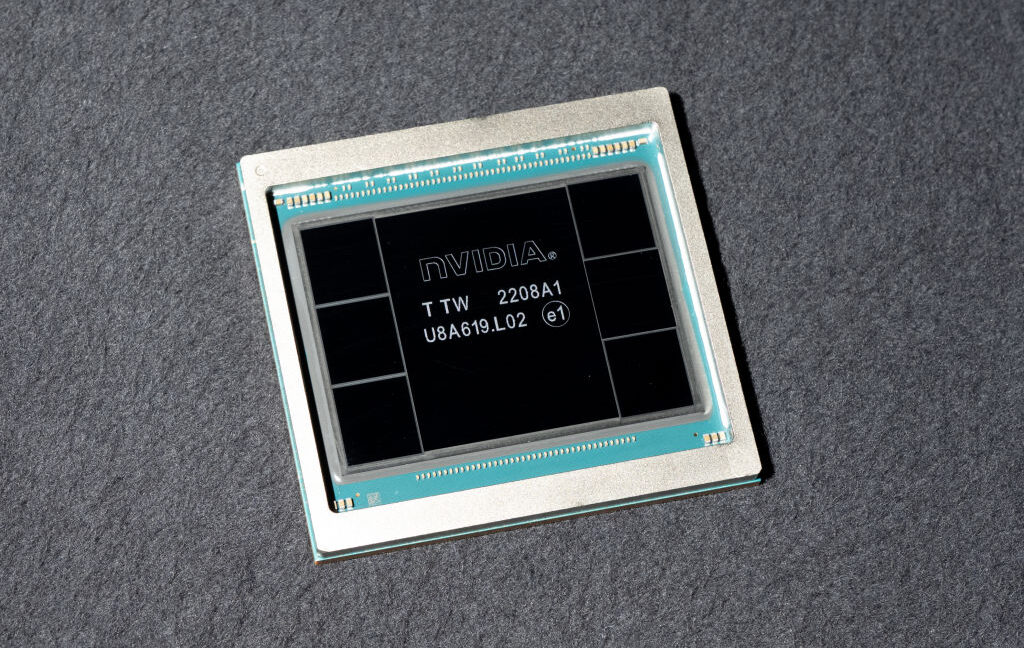
[Geopolitics] Export controls on advanced compute are now being enforced through criminal cases, not just licence refusals. That raises the compliance bar for anyone touching GPU supply chains, including universities buying compute. It also shows how central AI hardware has become to national security policy. Source: Ars Technica
Stanford study finds AI is hitting entry-level jobs hardest.
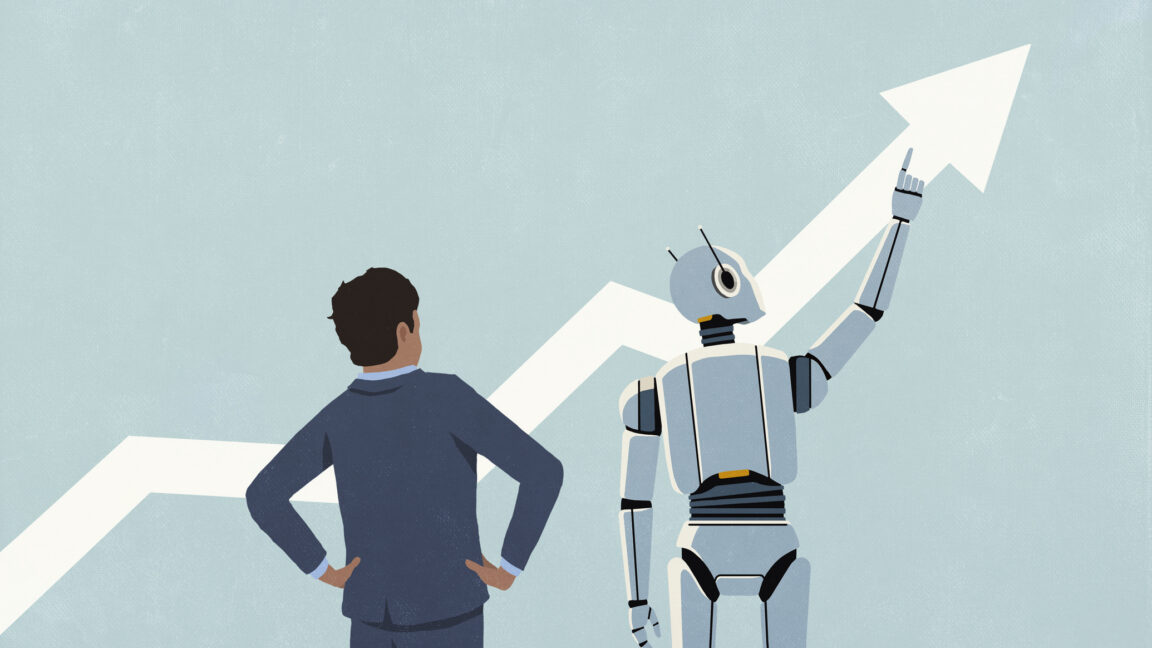
[Research] Employment for young workers in AI-exposed fields fell about 19% relative to more resistant occupations. That is the clearest evidence yet that the first labour-market impact lands on graduate-entry roles. Programmes that only teach tool use, without judgement and systems thinking, will produce graduates into the squeeze. Source: Ars Technica
MIT Technology Review: don't be fooled, large language models still don't reason.

[Research] The piece argues that benchmark gains are being read as understanding when they are closer to pattern completion. That distinction matters for assessment design and for anyone deploying models in decisions with real consequences. It is a useful corrective against buying capability claims at face value. Source: MIT Technology Review
Google's science AI ranks first at forecasting flu hospitalisations, CDC says.

[Research] An AI model outperforming standard epidemiological forecasts in a public-health setting is a concrete, measurable win outside the lab. It shows where AI value is real: narrow, well-instrumented, high-stakes prediction. Institutions should note the pattern of narrow specialisation over general claims. Source: Google Blog
Google ships Gemini 3.8 Live and 3.5 Transcribe for real-time voice apps.
[Tools] Low-latency voice plus streaming transcription opens voice-first interfaces for tutoring, support and accessibility. It also makes agent interaction feel less like typing and more like conversation. The practical constraint shifts from model quality to latency, cost and privacy of always-on audio. Source: Google Blog
Anthropic reportedly could raise up to $100B in a November listing.

[Funding] If accurate, it would be the largest AI capital raise yet and would push Anthropic past most incumbent software companies on valuation. It also shows the top labs can bypass a frozen IPO market on size alone. Capital concentration of this scale shapes which research directions get funded. Source: The Motley Fool
SpaceX launches Google TPU chips into orbit in a push toward space data centres.

[Geopolitics] Putting accelerator silicon on satellites tests whether compute can escape terrestrial power and land constraints. It is an early, expensive experiment, but it reframes the data-centre debate from local zoning to orbit. Watch it as a signal about how scarce terrestrial capacity has become. Source: CNBC
University of Arkansas at Little Rock will build an AI centre for real-world training.

[Education] A regional public university standing up an applied AI centre is the pattern U365 competes with and partners with. It targets workforce scenarios rather than research prestige. Expect more institutions to copy this applied, employer-linked model. Source: Arkansas Democrat-Gazette
AI agents are moving into your text messages, and the UX fight is on.

[Industry] SMS-native agents remove the app-install barrier and put assistants in the default channel people already use. That is a distribution advantage for whoever owns the phone number. It also multiplies the identity and consent problems institutions already face with messaging. Source: TechCrunch
The world of AI is evolving at full speed.
Become a Fellow at university-365.com
Become Superhuman... In a world of AI... Prompt Smart, Prompt UP!




Comments