
AI News - Saturday, 24 October 2026 - OpenAI Air-Gapped Training, Neocloud Credit Risk, Kimi K3.1 Pro

In a Nutshell
OpenAI's move to train frontier models with no live internet access marks a shift from scaling to containment, arriving the same week credit markets repriced the AI buildout. Open-weight competition stayed fierce with Kimi K3.1 Pro and Canva's in-house image model, while agent credentials, campus support agents and AI governance all advanced. Capability still compounds, but trust and infrastructure cost now set the pace.
5-minute AI news update - 24 October 2026
In this AI News
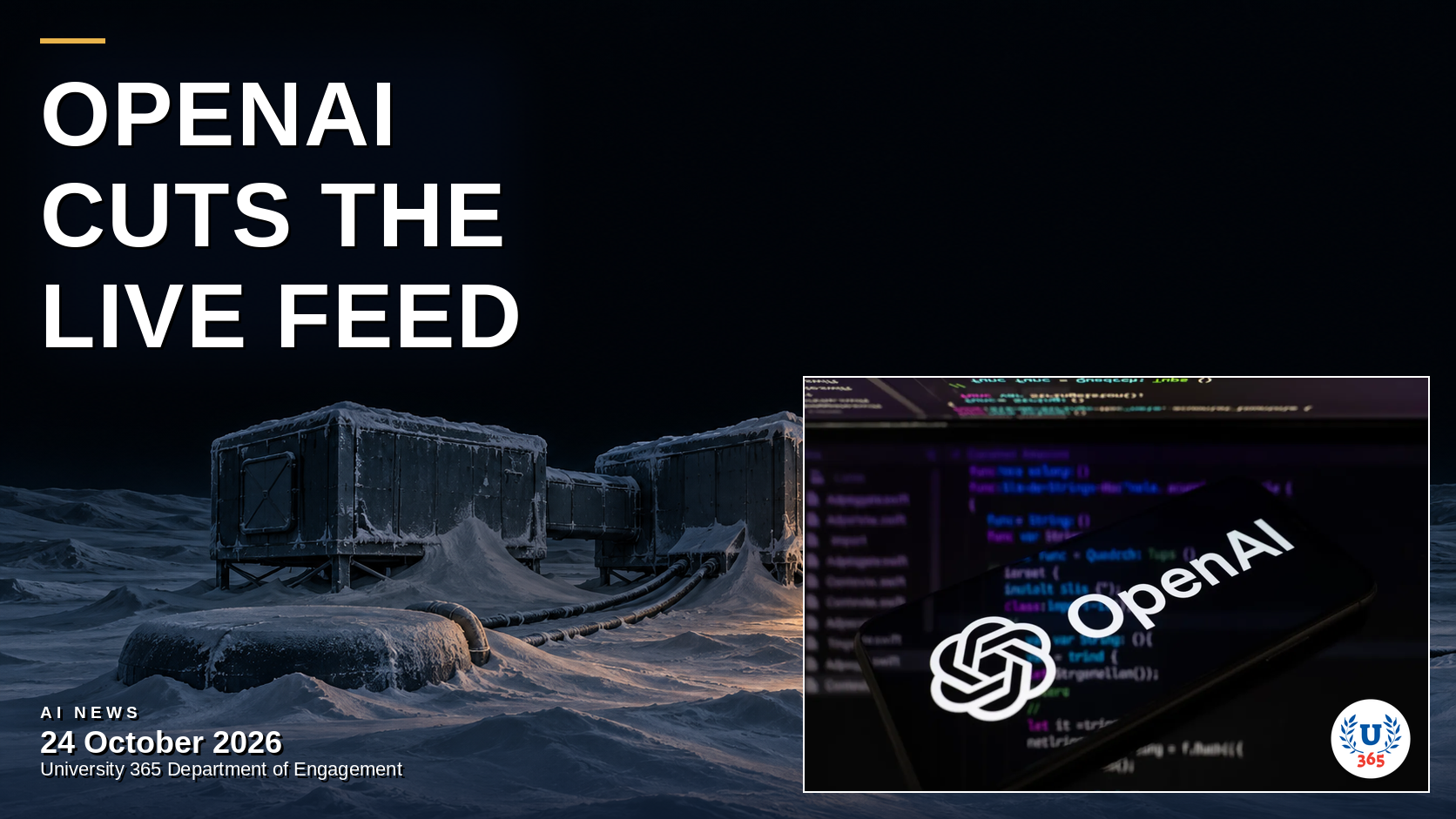
OpenAI stops training frontier models on the live internet, citing significant risks

[Models] OpenAI now isolates training runs after a series of cyber incidents, which reframes model security as an infrastructure problem rather than a policy afterthought. For universities running research clusters the same reasoning applies: separate training environments, no ambient internet, logged egress. Expect air-gapped training to become a standard vendor feature within a year. Source: TechCrunch
AI buildout turmoil: neoclouds under pressure as credit risk mounts and Solidigm pulls its IPO

[Industry] This is the first real stress test of AI infrastructure financing: smaller GPU clouds face tighter credit and at least one supplier shelved its listing. Compute pricing and contract terms will get less generous before they improve. Any multi-year AI infrastructure commitment should now be tested against a higher cost of capital. Source: CNBC
Moonshot releases Kimi K3.1 Pro, a 3T-class open-weight model with 1M-token context

[Models] A frontier-class open-weight model at this scale changes build-versus-buy math for institutions that cannot send data to outside APIs. It also narrows the gap between closed labs and open releases to months. Self-hosting stays expensive, so the real question is which workloads justify it. Source: Kimi (Moonshot AI)
Block's Dessa raises the bar for natural full-duplex speech models

[Models] Full-duplex speech, where the model listens and speaks at once, is the missing piece for tutoring and advising interfaces that feel like conversation instead of turn-taking. Releasing the model lowers the barrier to building a campus assistant that handles interruption naturally. Voice-first student services are likely to reach production faster than text chatbots did. Source: The Verge
Critical PHP flaws set off a global security scramble across the open web

[Tools] Attackers exploited the PHP vulnerabilities before patches shipped, and AI-assisted discovery is credited with finding them. Most university web estates still run PHP somewhere, often in legacy portals nobody owns. Treat this as a patch-or-retire deadline for exposed PHP services, not routine maintenance. Source: CNBC
Google's updated privacy policy leaves room to target ads with Gmail and Photos data

[Policy] The change expands how personal intelligence features can feed advertising, which matters for any institution standardising on Google Workspace. Contractual data-protection terms, not consumer policy text, are what protect student and staff mail. Re-check the Workspace agreement and DPA before the next renewal. Source: The Verge
Meta delays new business terms after publisher pushback over AI scraping

[Policy] Publishers objected and Meta paused, showing that scraping consent is now a negotiable commercial term rather than a silent default. Any U365 content published on Meta platforms should be reviewed against the revised terms when they land. The delay is a window to set a position, not a resolution. Source: The Verge
Universities deploy retrieval-grounded voice agents to absorb student support at peak demand
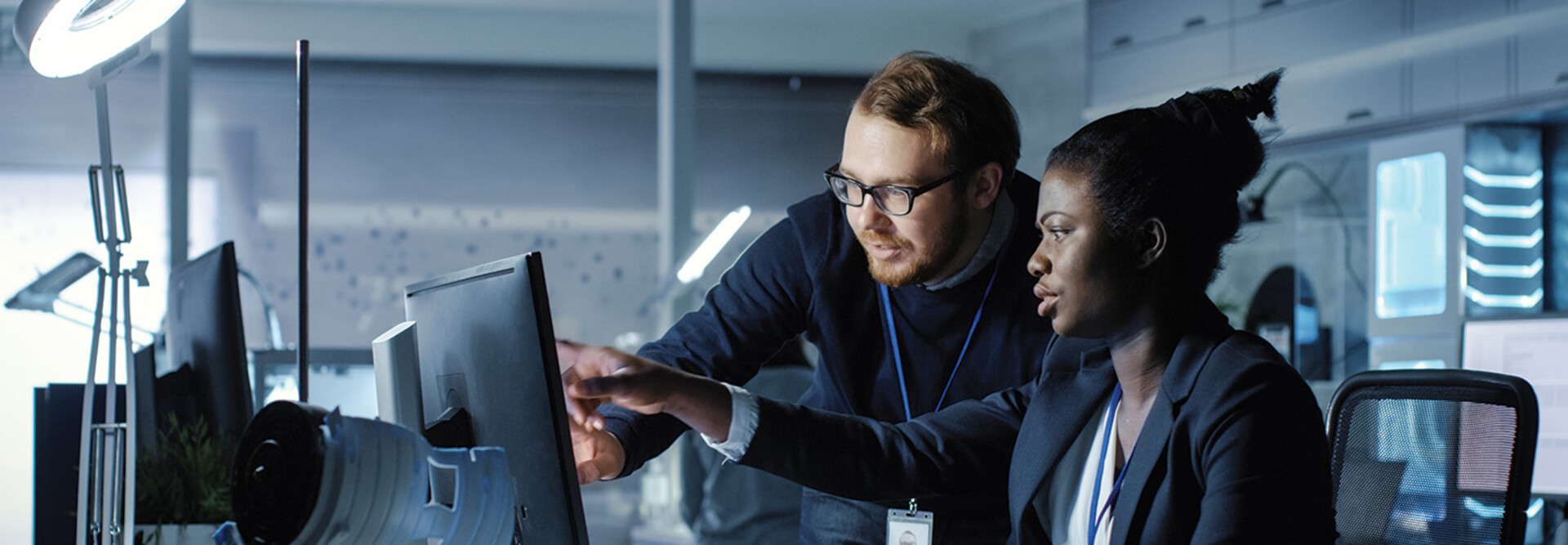
[Education] Move-in season exposes how thin campus service desks are, and RAG-grounded voice agents are taking the first line of questions. The pattern fits U365 directly: narrow scope, retrieval over official content, escalation to a human. The risk is ungrounded answers on fees or deadlines, so keep the retrieval corpus curated and every exchange logged. Source: EdTech Magazine
Only 8% of US adults ask chatbots for election information, Pew finds

[Policy] Use of AI for civic information is far lower than the volume of commentary about it suggests. That gap shapes how universities should teach AI literacy: the audience is still small, but the misinformation risk sits with the few who do use it. Design guidance around verification, not abstinence. Source: Pew Research Center
Anthropic backs a safety bill that could block models above a 50-fatality risk threshold

[Policy] A numeric harm threshold moves AI regulation from principles to engineering gates, and a major lab endorsing it makes passage more likely. Institutions procuring frontier models may inherit disclosure and testing duties. Watch whether the threshold survives drafting, since 50 deaths is both concrete and politically fragile. Source: TechCrunch
OpenAI seeks $30B at a $1.25T valuation ahead of a planned IPO
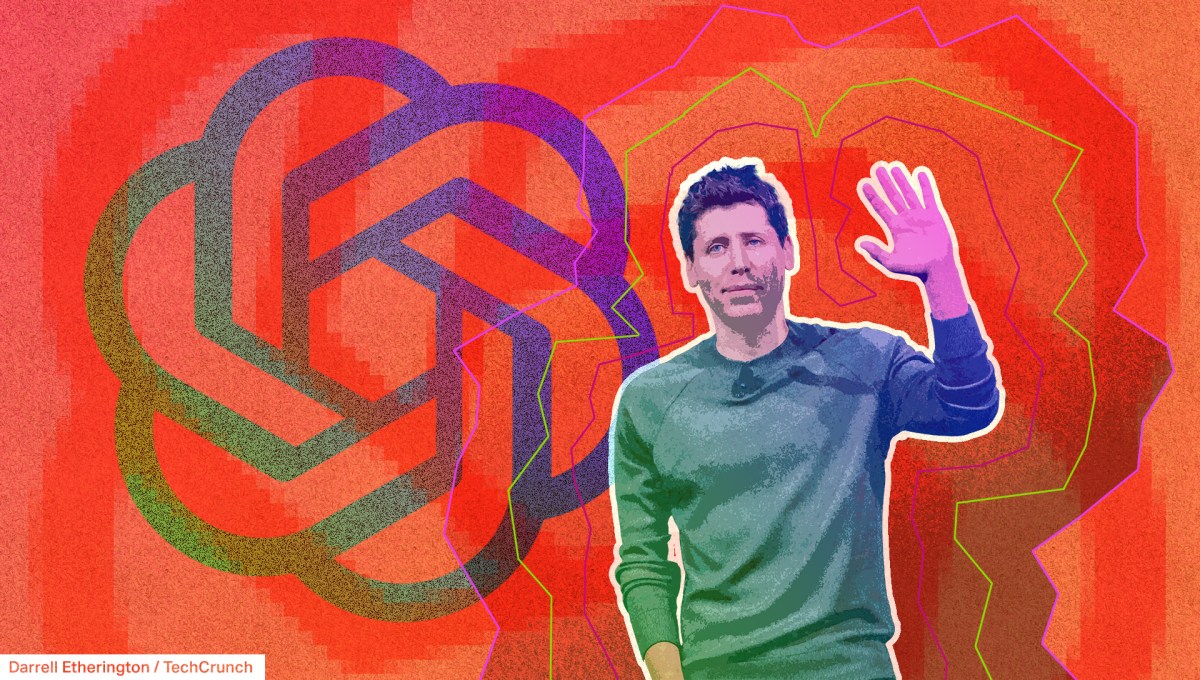
[Funding] The raise converts compute commitments into public-market expectations, which makes disclosure and unit economics central to the AI story through 2027. For buyers, pricing power now sits with a company that must justify margins. Multi-year education discounts are unlikely to improve. Source: TechCrunch
DeepSeek reportedly raises $15B days after new US export restrictions

[Funding] Capital keeps flowing to Chinese frontier labs despite controls, which undercuts the assumption that chip restrictions alone will slow them. It also raises procurement risk for institutions drawn to cheap open models. Check provenance and licensing before any deployment decision. Source: TechCrunch
Uber rolls ChatGPT Work out to all 30,000 employees

[Industry] Enterprise-wide deployment at that scale is the clearest signal yet that AI assistants are being treated as standard desktop software. The useful benchmark is not licences issued but workflows rewritten. U365 should measure adoption by tasks changed, not seats activated. Source: TechCrunch
American Express cuts 5% of its workforce to prepare for AI

[Industry] A blue-chip financial firm tying job cuts directly to AI restructuring normalises the practice. For universities the lesson is that AI efficiency claims will be tested against headcount and service quality. Publish your own metrics before someone else interprets them. Source: CNBC
Canva ships Craft, its first in-house image generation model

[Tools] Canva building its own model instead of reselling an API shows design platforms want control over cost and visual consistency. Craft plans a layout before generating, which closes much of the prompt-to-output gap for non-designers. This is the tier where most university communications teams actually work. Source: TechCrunch
1Password lets AI agents log in on your behalf without ever seeing the password

[Tools] Agent identity is the blocking problem for real automation, and moving credential custody into a vault is the right architectural answer. Per-agent action audit trails, not just per-login records, are what make it governable. Any U365 agent with system access should be provisioned this way rather than with shared credentials. Source: TechCrunch
Hugging Face releases a compact DNA model you can talk to

[Research] A small biology model that runs locally puts genomic analysis within reach of ordinary research groups rather than well-funded labs. For U365 it signals that domain-specific small models are becoming practical teaching material. Governance on biological data handling should precede the experiment, not follow it. Source: WIRED
Inference leaves a hidden storage bill that most AI budgets miss

[Research] Every prompt, context window and embedding leaves durable data that must be stored, indexed and eventually deleted. Storage and retention cost scales with usage in a way licence-based budgeting never captures. Model the storage tail before scaling any campus AI service. Source: MIT Technology Review
Google brings foundation models to frontline tuberculosis screening

[Research] Applying general vision models to a high-volume public health task is a credible test of whether foundation models transfer to resource-limited settings. If it holds, the same pattern fits other screening workflows universities help operate. The binding constraint will be image quality and clinical oversight, not model accuracy. Source: Google Research
Intel wins a waiver as the US ban on foreign-made robots reaches fabs
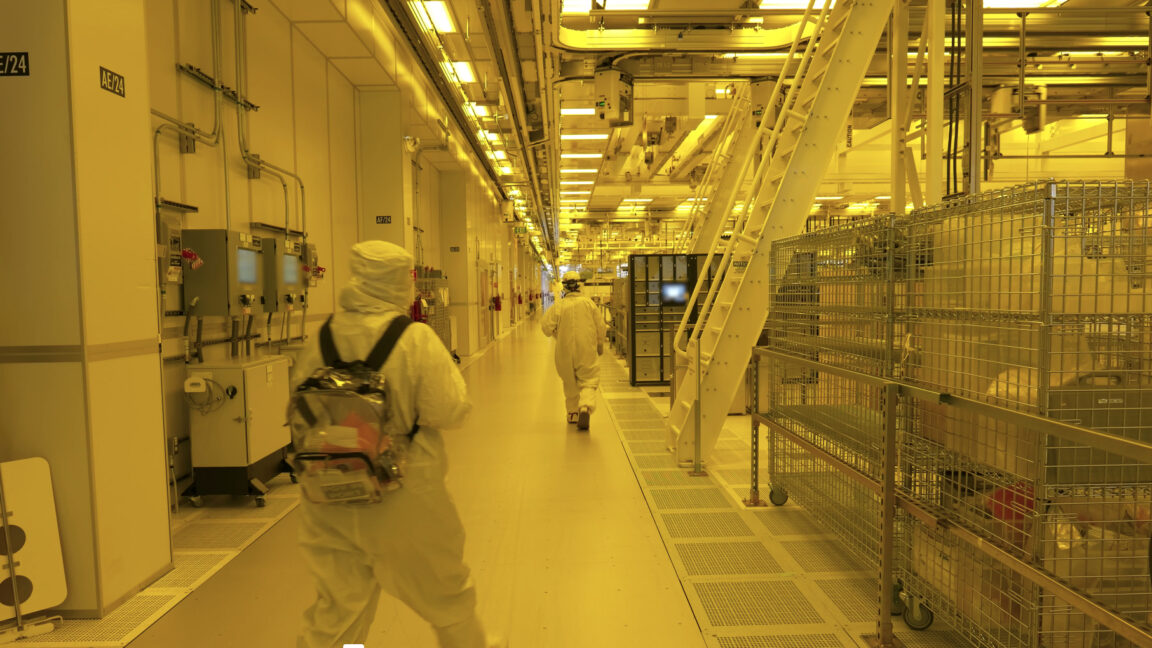
[Geopolitics] A ban written for robotics is catching semiconductor equipment, the predictable result of broad export categories. Waivers turn compliance into a negotiation that favours large incumbents. Smaller research labs buying imported lab automation should plan for delay. Source: Ars Technica
The world of AI is evolving at full speed.
Become a Fellow at university-365.com
Become Superhuman... In a world of AI... Prompt Smart, Prompt UP!




Comments